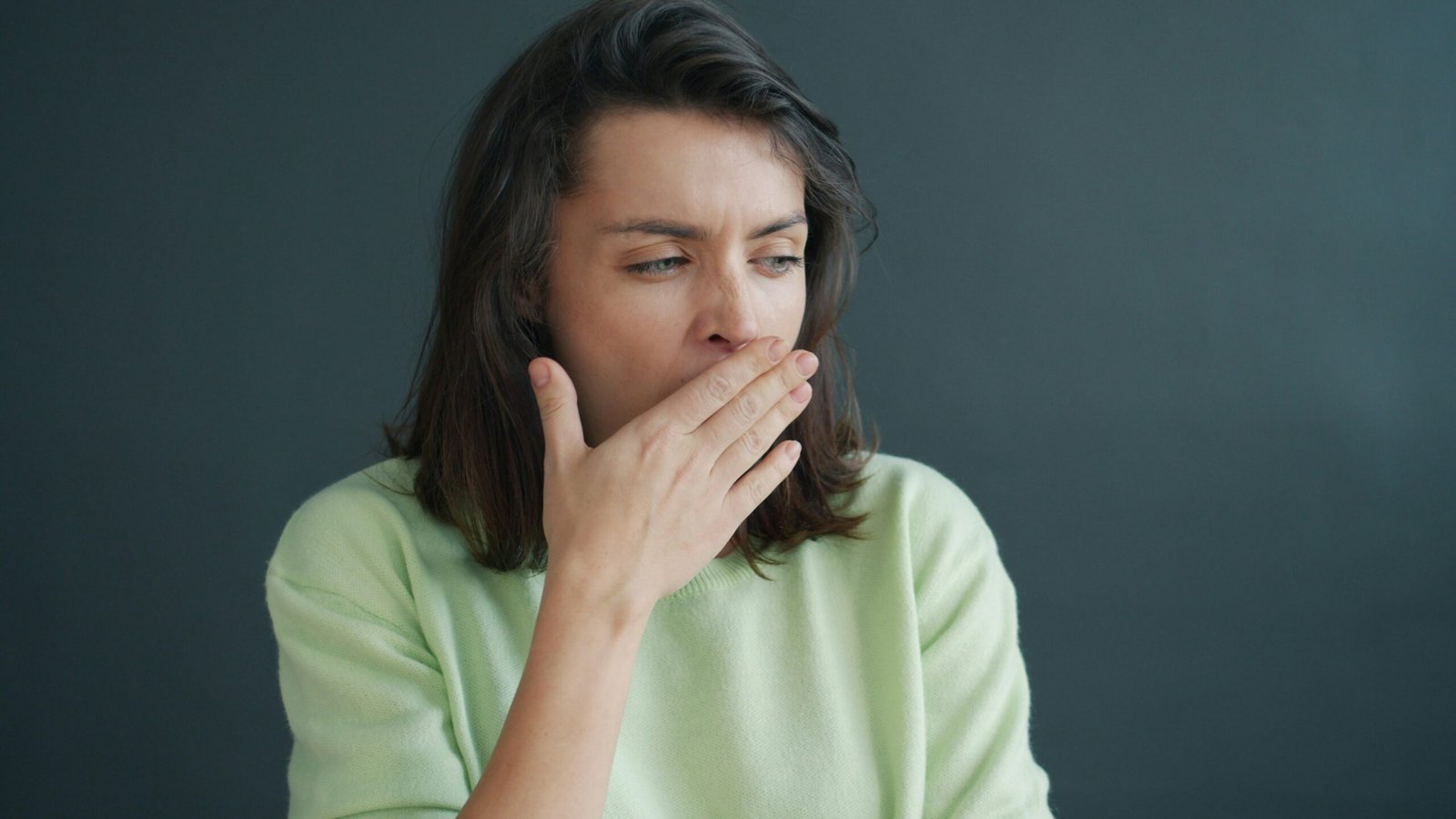
You’re sleeping fine (or trying to). Nothing’s changed. And yet by 3pm, you’re running on fumes — again. If this sounds like perimenopause fatigue, you’re not imagining it.
I started digging into this after one too many afternoons where I’d achieved nothing except a strong urge to lie down on the office floor. Turns out it’s not “just stress” or “just getting older.” There’s real biology behind it.
It’s Your Hormones, Not Your Head
During perimenopause, oestrogen and progesterone don’t decline smoothly. Instead, they swing, sometimes wildly, for years. That affects how your cells make energy, disrupts sleep at a chemical level, and throws off the brain chemicals that keep mood and alertness steady. In short, four systems lose balance at once — not weakness, not laziness, and a big part of why perimenopause fatigue feels so different from ordinary tiredness.
The “Wired But Tired” Feeling Has a Name
Bone-tired all day, then wide awake at 11pm replaying your inbox — sound familiar? That’s your adrenal system working overtime to compensate for fluctuating hormones. In fact, rhodiola and ashwagandha commonly help ease exactly this pattern. (I go into more detail on these in my adaptogens post, if you want the full breakdown.)
Rule Out Other Causes of Perimenopause Fatigue First
Not all midlife fatigue is hormonal. So, before reaching for a supplement, it’s worth having your GP check for an underactive thyroid, sleep apnoea, or low iron. A simple blood test can save you months of guessing.
It’s also worth hearing the sceptic’s view too. Regular exercise, including brisk walking a few times a week, is consistently linked to better energy and mood in midlife — sometimes more reliably than any supplement, as the NHS notes on the benefits of regular movement. Supplements are support, not a fix on their own.
What Actually Has Evidence Behind It
- B vitamins — B12 deficiency is common in midlife and directly affects energy. So, worth checking if you haven’t. This is a well-reviewed B complex if you want an easy place to start.; or try this one for a budget option.
- Magnesium — comes up repeatedly for both energy and sleep quality. This is the brand I keep seeing recommended — a name that’s hard to avoid once you start looking into magnesium specifically.
- Ashwagandha & rhodiola — a clinical trial found ashwagandha supported mood, energy, and hormonal regulation. See my adaptogens post if you want some recommendations.
- Iron — check via blood test, don’t guess. Too much causes problems too. If your levels do come back low, this is a well-known, GP-recommended option worth asking about.
The Order That Actually Works
- Get a blood test (B12, iron, thyroid, vitamin D)
- Fix the basics — sleep, blood sugar, short walks
- Add targeted support if levels are low
- Ask your GP about HRT if symptoms are significant. It usually works best alongside supplements, not instead of them
The Bottom Line on Perimenopause Fatigue
This is real, it’s biological, and it’s not something to push through in silence. In the end, for me, the blood test, not a supplement, was what actually moved the needle. If you take one thing from this post, let it be that.
Next up: a closer look at specific supplements — what’s in them, what the evidence says, and what’s mostly marketing.
Have you found something that’s helped with your energy in midlife? I’d love to hear about it — reply or drop a comment below.
This post may contain affiliate links. If you buy through one, I may earn a small commission at no extra cost to you. I only recommend things I’d genuinely suggest to a friend.
One Response